
Two roofers visit the same house on the same afternoon. One quotes a figure that makes you wince; the other comes in thousands lower. The obvious conclusion is that one of them is padding the price. Often the real explanation is less dramatic and more useful: the two estimates are not describing the same job.
A roof replacement estimate is a list of decisions. Some are written down, many are left out, and the omissions are where the money moves. Learning to read the list is the single most effective thing a homeowner can do before signing.
Short answer: read the scope before the total. If one quote lists tear-off, decking price per sheet, underlayment, flashing, ventilation and permit, and the other lists none of them, the gap in price is mostly the gap in work.
Start with the scope, not the total
Before looking at any price, find the paragraph that describes what will be done. A complete scope names the following, and an incomplete one leaves you guessing.
- Whether existing layers will be torn off down to the deck or covered over.
- The exact shingle or panel line, including color and warranty tier.
- The underlayment type and where any ice and water barrier will go.
- The drip edge, flashing and vent components that will be replaced.
- How debris is handled, including the dumpster and magnetic sweep for nails.
- The permit, who pulls it and who pays.
If one estimate lists seven of these items and another lists two, the difference in price is already partly explained.
The line items that change the price
Tear-off and number of layers
Many local codes allow a limited number of shingle layers. Laying new shingles over old saves labor and disposal, but it hides the deck, adds weight and can void some manufacturer warranties. A full tear-off costs more and lets the installer see and fix the sheathing. When a quote is much lower than the others, check whether it skips tear-off.
Decking repair allowance
Nobody can see the condition of the plywood until the old roof is off. Good contractors state a price per sheet for replacing damaged decking and may include a small allowance in the quote. A quote that says nothing about decking is not a quote without a risk; it is a quote where the risk will appear later as a change order. Ask directly: “What happens if you find rot, and what do you charge per sheet?”
Underlayment
Underlayment is the water-resistant layer under the shingles. Felt paper is the traditional choice; synthetic underlayments are lighter, stronger and now common. Self-adhering ice and water membrane is used at eaves, valleys and around penetrations. The difference between a bare minimum and a thorough specification can be a few hundred dollars and a great deal of leak protection.
Flashing and drip edge
Flashing is the metal that sends water away at chimneys, walls, skylights and valleys. Drip edge sits along eaves and rakes to keep water off the fascia. Reusing old, corroded flashing is a common shortcut. A quote that includes new step flashing and counterflashing is not padding; it is where most leaks are prevented.
Ventilation
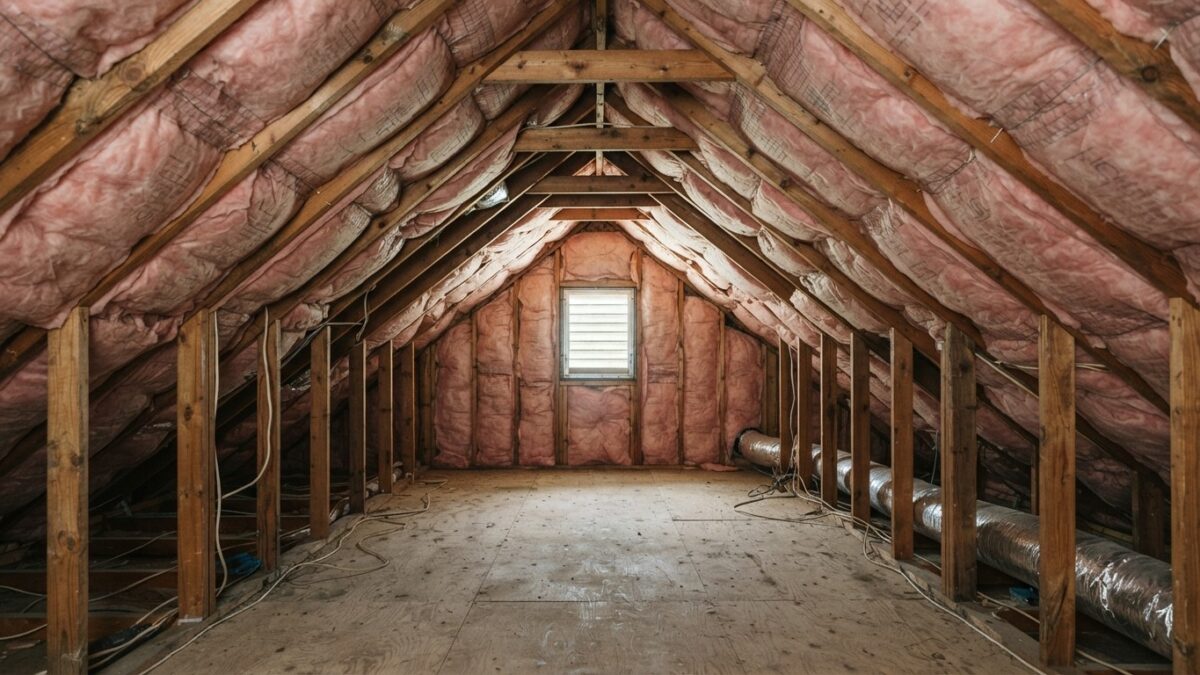
An attic that cannot breathe cooks shingles from below. Good quotes state what intake and exhaust vents will be installed and in what proportion. Our guide to attic ventilation and roof life explains how to check this.

Permits, disposal and cleanup
Permits, dumpsters, magnetic nail sweeps and landscape protection are small lines that add up. They are also the lines most easily dropped by the lowest bidder.
Thorough quote or thin quote
| Item | A thorough quote says | A thin quote says |
|---|---|---|
| Tear-off | Full tear-off to the deck | “Reroof” or silent |
| Decking | Price per sheet if replaced | Nothing |
| Underlayment | Named type plus ice barrier locations | “Felt” |
| Flashing | New flashing at all penetrations | “Reseal as needed” |
| Ventilation | Intake and exhaust specified | Not mentioned |
| Warranty | Workmanship warranty in years | Manufacturer only |
| Permit | Pulled and paid by the contractor | Homeowner’s problem |
Treat the right-hand column as a list of follow-up questions, not as proof of bad faith. Many honest roofers write short quotes; the answer is to ask them to confirm each item in writing.
Reading the payment terms
Payment schedules reveal as much as materials do. A modest deposit, often a portion of the total, and the balance on completion is common. Be cautious about large cash-only deposits, requests to pay the full amount before work begins or any contractor who offers a discount for signing on the spot. Pressure and urgency are sales tools, not roofing requirements.
Ask also when the final payment is due and whether it is contingent on inspection or cleanup. A roof that passes a municipal inspection before the last payment is released is a better arrangement for you.
Questions for every contractor
- Are you licensed and insured in this state, and can I see current certificates?
- Who will be on site, and are they employees or subcontractors?
- What is the schedule, and what happens if weather delays the job with the roof open?
- How do you protect the house and landscaping?
- What does your workmanship warranty cover, in writing, and for how long?
- How do you handle surprises, and what do change orders cost?
Pay attention to how the answers are given. Specific, unhurried answers are a good sign.
Insurance claims and estimates
If the roof is being replaced after storm damage, the insurer may produce its own estimate. These often differ from a contractor’s because insurers price by their own schedules and may exclude upgrades that building code now requires. We do not interpret policies or advise on claims; your insurer and, if needed, a public adjuster or attorney can. What we can say is that a contractor’s estimate and an insurer’s estimate are different documents with different purposes, and neither is automatically wrong.
A simple way to compare bids
Put the estimates side by side and build a short grid with the scope items down the left and each contractor across the top. Mark each cell with what is stated, not what you assume. Wherever a cell is blank, ask the contractor to complete it by email or revised quote. Only then compare totals.
If a quote still sits far from the others after the scope is aligned, ask the contractor to explain the difference. A good answer will describe a material, a method or a risk. A poor answer will describe a deadline.
Finally, consider how the choice of covering shapes the price. Our overview of roofing materials shows why two quotes for different materials may not be comparable at all.
The short version
A roof replacement estimate is not just a price. It is a description of work. Read the scope first, find the lines that quietly carry risk, such as decking, underlayment, flashing and ventilation, and insist that every promise is written down. When two quotes differ by a large amount, the first question is not “who is cheating?” but “what is one of them not doing?”
Frequently asked questions
Is the lowest quote always the one that skips something?
Not always, but it is the first thing to check. Ask each contractor to confirm every scope item in writing, then compare totals.
How much deposit is normal?
A modest deposit with the balance at completion is common. Be cautious about large cash-only deposits or discounts for signing the same day.
Will the insurer’s estimate match the contractor’s?
Often not. They are different documents with different purposes, and neither is automatically wrong. Your insurer can explain its own figures.